
The Ultimate Guide to Culinary Medicine Training for Doctors & Dietitians
The healthcare landscape is evolving, and professionals are increasingly recognizing the power of food as medicine. Culinary Medicine bridges the gap between nutrition and clinical practice, equipping doctors and dietitians with essential skills to guide patients toward healthier lifestyles through evidence-based dietary interventions. Earning a lifestyle medicine certification further enhances a professional’s ability to integrate food-based strategies into patient care.
What is Culinary Medicine?
Culinary Medicine is an emerging field that integrates the science of nutrition with the art of cooking. It empowers healthcare professionals to offer practical, food-based strategies for disease prevention and management. By incorporating Culinary Medicine principles, doctors and dietitians can enhance patient outcomes through personalized, nutrition-focused care. Many practitioners also include nutrition counselling as part of their approach to ensure patients receive tailored dietary guidance.
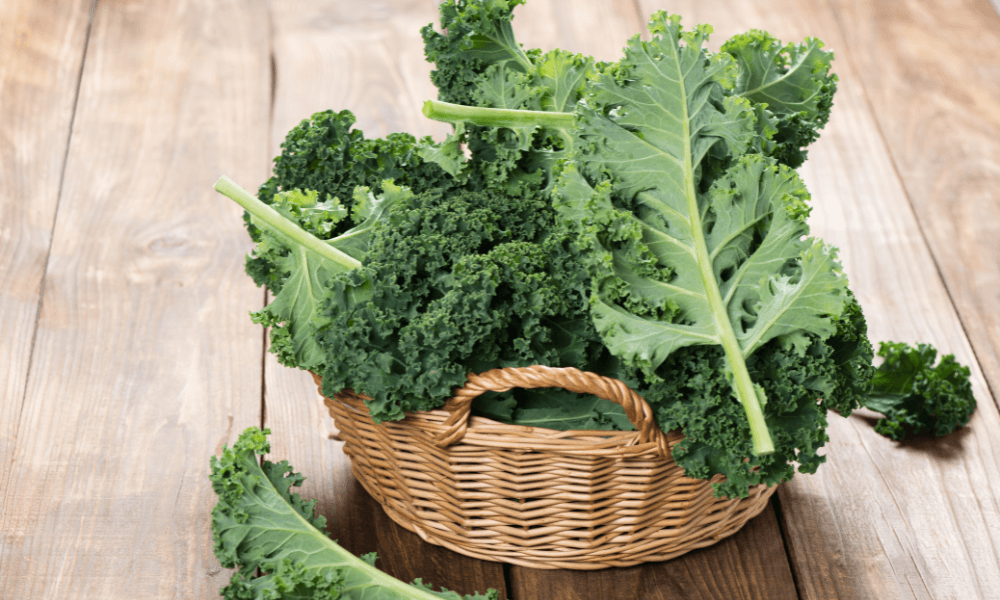
Why is Culinary Medicine Training Important?
Improves Patient Care – Doctors and dietitians trained in Culinary Medicine can provide actionable dietary advice that is easy for patients to implement.
Bridges the Knowledge Gap – Traditional medical education often lacks in-depth nutrition training. Culinary Medicine fills this void by providing hands-on experience in food preparation and meal planning.
Prevents Chronic Diseases – Educating patients on whole foods, balanced meals, and healthy cooking techniques helps prevent conditions like diabetes, heart disease, and obesity.
Enhances Professional Expertise – A background in Culinary Medicine sets healthcare professionals apart, making them more effective in promoting sustainable dietary habits. Combining this with a lifestyle medicine certification strengthens their ability to address lifestyle-related conditions holistically.
Empowers Patients – Providing practical, food-focused recommendations encourages long-term adherence to healthy eating patterns. Integrating nutrition counselling ensures that patients receive ongoing support in making sustainable dietary changes.
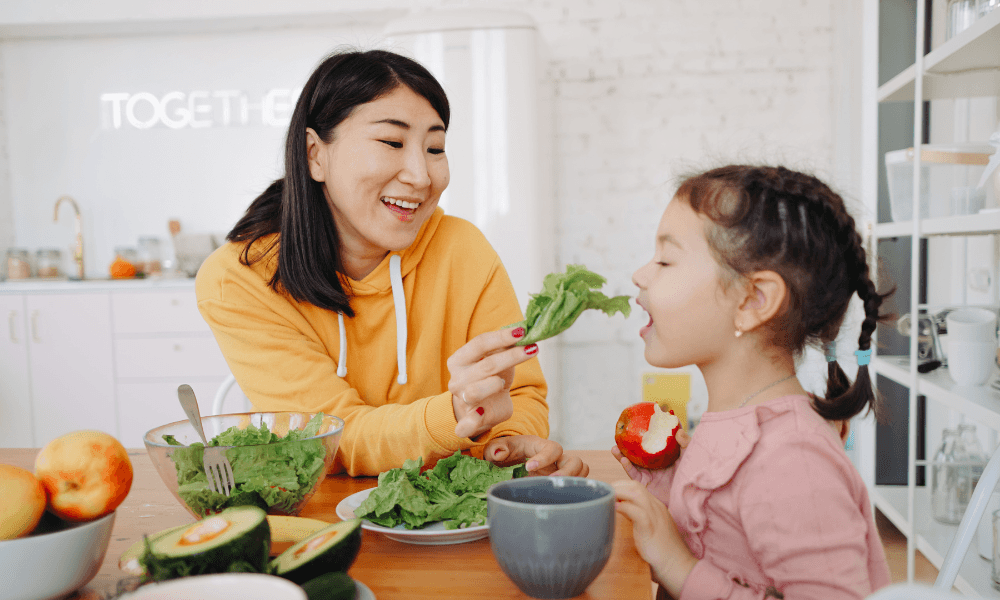
Key Components of Culinary Medicine Training
Nutrition Science – Understanding the impact of various nutrients on health and disease.
Cooking Techniques – Learning how to prepare nutritious meals that align with medical recommendations.
Patient Education – Teaching patients how to make healthier food choices without feeling restricted.
Cultural and Dietary Considerations – Addressing different eating patterns to ensure personalized care.
Hands-On Workshops – Engaging in real-world meal preparation to reinforce learning.
Nutrition Counselling Integration – Developing strategies to help patients maintain balanced diets through professional guidance.
Final Thoughts
As the demand for holistic healthcare grows, Culinary Medicine training provides doctors and dietitians with the tools to make a meaningful impact. By combining medical expertise with practical nutrition strategies, healthcare professionals can help patients achieve better health outcomes through informed, sustainable food choices. Additionally, obtaining a lifestyle medicine certification and incorporating nutrition counselling further enhances their ability to support patients on their wellness journeys.

Accredited Certification, Degree Programs, and AI-Powered Productivity Tools for Lifestyle Medicine Professionals





© 2015-2026 Lifestyle Prescriptions® University. The terms Lifestyle Prescriptions®, Organ-Mind-Brain Anatomy™, and Root-Cause Health Coaching™ are worldwide trademarks of the Lifestyle Prescriptions® University and can only be used after completing qualifying training programs. Lifestyle Medicine WORKS™, Lifestyle Medicine Summit, HealthiWealthi™ are trademarks of Lifestyle Medicine University Foundation.
* This website and all LPU training programs are for educational purposes only. No medical diagnosis, therapy, or treatment is provided.