
Social Connection for Longevity: 7 Expert Strategies to Live a Healthier Life
In today’s fast-paced world, cultivating deep connections isn’t just about friendship—it’s a key factor in achieving a longer, healthier life. Research consistently shows that strong relationships and a robust network can reduce stress and lower the risk of chronic diseases. In fact, studies have confirmed that having reliablesocial support is instrumental in enhancing overall well-being.
Below are seven expert strategies to help you build and maintain meaningful connections that contribute to longevity.
1. Nurture Your Existing Relationships
Invest time in the relationships you already have. Regular check-ins, shared activities, and open communication can strengthen bonds with family and friends. Make it a habit to reconnect with loved ones, as these enduring relationships are the backbone of your social network.
2. Join Community Groups and Clubs
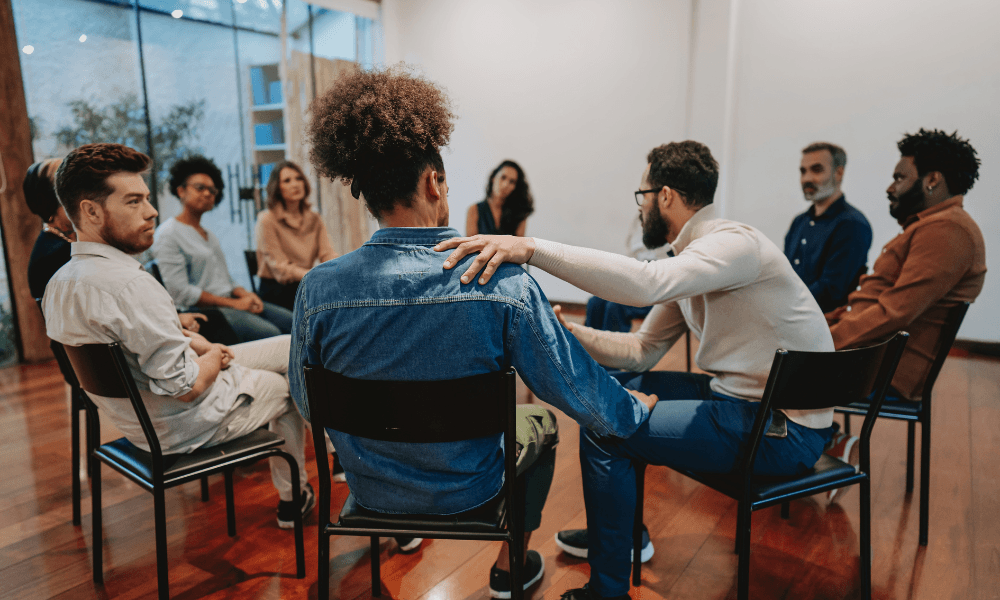
Whether it’s a book club, sports team, or hobby group, joining a community can expose you to like-minded individuals. These groups offer opportunities to meet new people and create lasting friendships, enhancing your overall quality of life.
3. Volunteer for a Cause
Volunteering not only gives back to your community but also creates meaningful interactions that can last a lifetime. Engaging in volunteer work connects you with individuals who share your values and passions, fostering genuine connections and providing valuable social support.
4. Engage in Regular Social Activities
Participating in regular social events, such as dinner parties, game nights, or local meetups, encourages consistent interaction. Routine gatherings help you build a stable network that can provide essential social support during challenging times.

5. Embrace Technology to Stay Connected
In our digital age, technology bridges the gap between geographical distances. Use social media, video calls, and online forums to stay in touch with friends and family. Even virtual interactions can offer meaningful social support when in-person meetings aren’t possible.
6. Prioritize Face-to-Face Interactions
While digital communication is valuable, nothing replaces the depth of face-to-face conversations. Make an effort to meet people in person when you can; these direct interactions provide a level of intimacy and understanding that significantly enhances social support and overall health.

7. Seek Professional Guidance for Social Well-Being
If you’re struggling to build or maintain relationships, consider seeking professional advice. Therapists, counselors, and social coaches can offer personalized strategies to help you improve your interpersonal skills and expand your social network.
Conclusion
Building strong connections is a lifelong journey that contributes not only to emotional well-being but also to physical health and longevity. By nurturing existing relationships, joining community groups, volunteering, engaging in social activities, embracing technology, and prioritizing face-to-face interactions, you can create a network that supports you through every stage of life. Adopting these strategies will empower you to live a healthier, happier life enriched by the power of genuine connection. Embrace these expert tactics and transform your approach to social connectivity because a fulfilling life is built on the strength of its bonds.



Accredited Certification, Degree Programs, and AI-Powered Productivity Tools for Lifestyle Medicine Professionals





© 2015-2026 Lifestyle Prescriptions® University. The terms Lifestyle Prescriptions®, Organ-Mind-Brain Anatomy™, and Root-Cause Health Coaching™ are worldwide trademarks of the Lifestyle Prescriptions® University and can only be used after completing qualifying training programs. Lifestyle Medicine WORKS™, Lifestyle Medicine Summit, HealthiWealthi™ are trademarks of Lifestyle Medicine University Foundation.
* This website and all LPU training programs are for educational purposes only. No medical diagnosis, therapy, or treatment is provided.