
Health Coaching Certification: What You Need to Know Before Enrolling
The demand for health coaches is on the rise as more individuals seek guidance in achieving their wellness goals. Obtaining a health coaching certification is a valuable step toward establishing credibility in the field and making a meaningful impact on clients' lives. However, before enrolling in a program, it is essential to understand what certification entails, its benefits, and how to choose the right one.
What is a Health Coaching Certification?
A health coaching certification is a credential that validates your knowledge and skills in guiding clients toward better health through lifestyle changes, nutrition, and behavioral strategies. These certifications are offered by various accredited institutions and provide comprehensive training in coaching techniques, wellness principles, and client-centered approaches. Many programs also incorporate elements of lifestyle medicine, emphasizing the role of nutrition, exercise, and mental well-being in overall health.

Benefits of Obtaining a Health Coaching Certification
Professional Credibility
Earning a health coaching certification enhances your reputation and allows you to work with individuals, healthcare providers, and wellness organizations.
Career Opportunities
Certified health coaches can find employment in hospitals, corporate wellness programs, fitness centers, and private practice.
Expanded Knowledge
The certification equips you with essential coaching skills, nutritional education, and an understanding of behavior change psychology. Many programs also include lifestyle medicine strategies for disease prevention and long-term health improvements.
Higher Earning Potential
Professionals with a recognized health coaching certification often earn more than those without formal credentials.
Making a Positive Impact
As a certified health coach, you can help individuals manage chronic diseases, improve their overall well-being, and adopt healthier lifestyles.

How to Choose the Right Health Coaching Certification
Accreditation and Recognition
Ensure the program is accredited by reputable organizations such as the National Board for Health & Wellness Coaching (NBHWC) or the International Coach Federation (ICF).
Curriculum and Course Structure
Look for programs that cover key areas such as nutrition, behavioral science, coaching techniques, ethics, and lifestyle medicine principles.
Flexibility and Format
Choose between online, in-person, or hybrid courses based on your learning preferences and schedule.
Cost and Investment
Compare tuition fees, payment options, and potential return on investment before committing to a program.
Certification Requirements
Some programs require hands-on coaching practice, case studies, or an exam to qualify for certification.

Conclusion
A health coaching certification is an excellent pathway for individuals passionate about helping others achieve their health and wellness goals. By selecting the right program, you can gain the knowledge and credentials needed to succeed in this rewarding career. Whether you're looking to work independently or within a healthcare setting, earning a health coaching certification will provide you with the tools to make a lasting impact in the field of health and wellness. Additionally, incorporating lifestyle medicine into your coaching approach can enhance your ability to support clients in achieving sustainable health improvements.

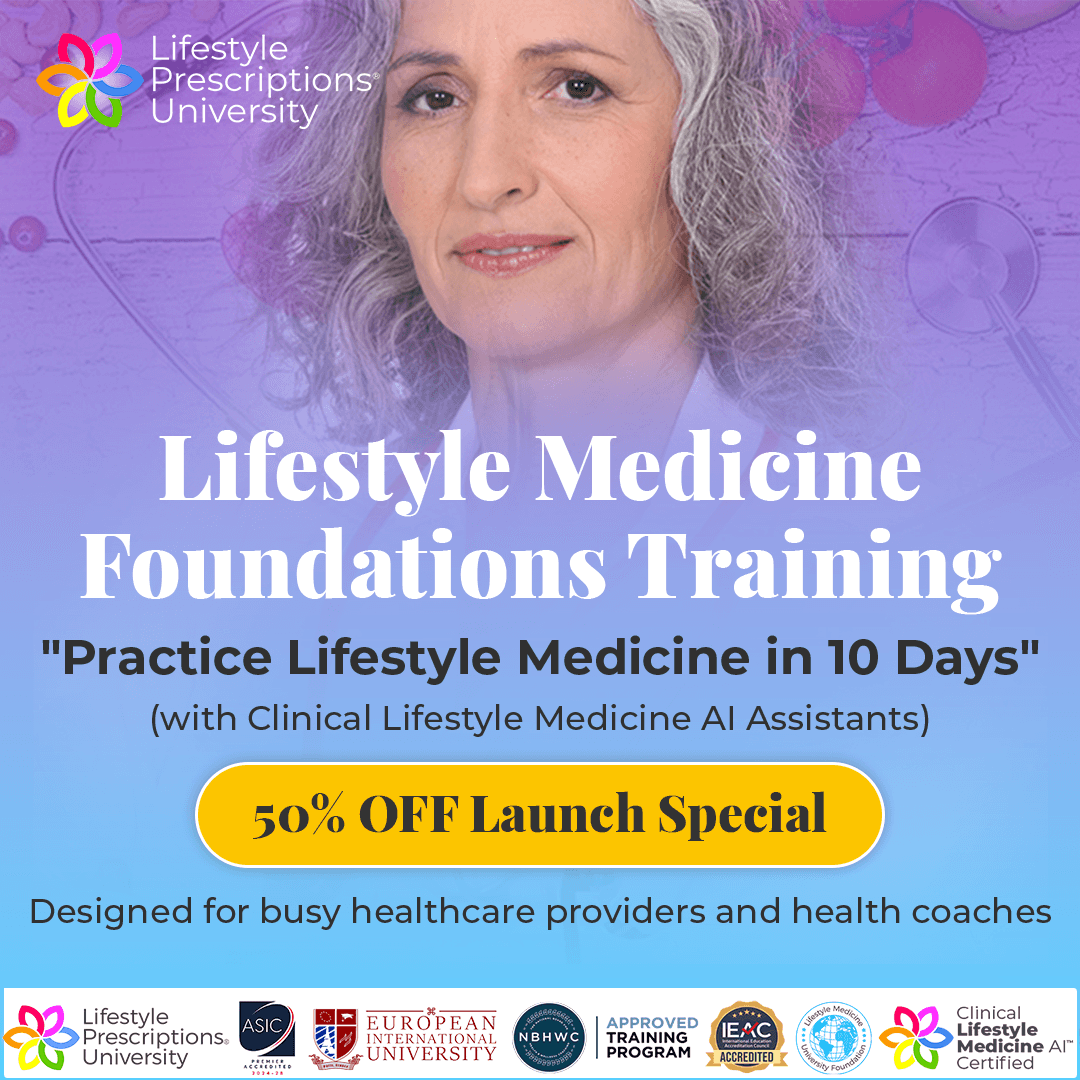


Accredited Certification, Degree Programs, and AI-Powered Productivity Tools for Lifestyle Medicine Professionals





© 2015-2026 Lifestyle Prescriptions® University. The terms Lifestyle Prescriptions®, Organ-Mind-Brain Anatomy™, and Root-Cause Health Coaching™ are worldwide trademarks of the Lifestyle Prescriptions® University and can only be used after completing qualifying training programs. Lifestyle Medicine WORKS™, Lifestyle Medicine Summit, HealthiWealthi™ are trademarks of Lifestyle Medicine University Foundation.
* This website and all LPU training programs are for educational purposes only. No medical diagnosis, therapy, or treatment is provided.